Modern, Contemporary and Classic: Choosing an Interior Style for Your Life
Written by Nitipoom Dechwongya, Founder of Penthouse Design Group · Updated October 2026
Modern emphasises clean lines, simple forms and fewer unnecessary details. Contemporary reflects current living and allows a more flexible mix of materials and influences. Classic focuses on proportion, symmetry and decorative detail. Choose more than a style name: begin with your lifestyle, existing architecture, preferred materials, maintenance needs and the atmosphere you want over time.
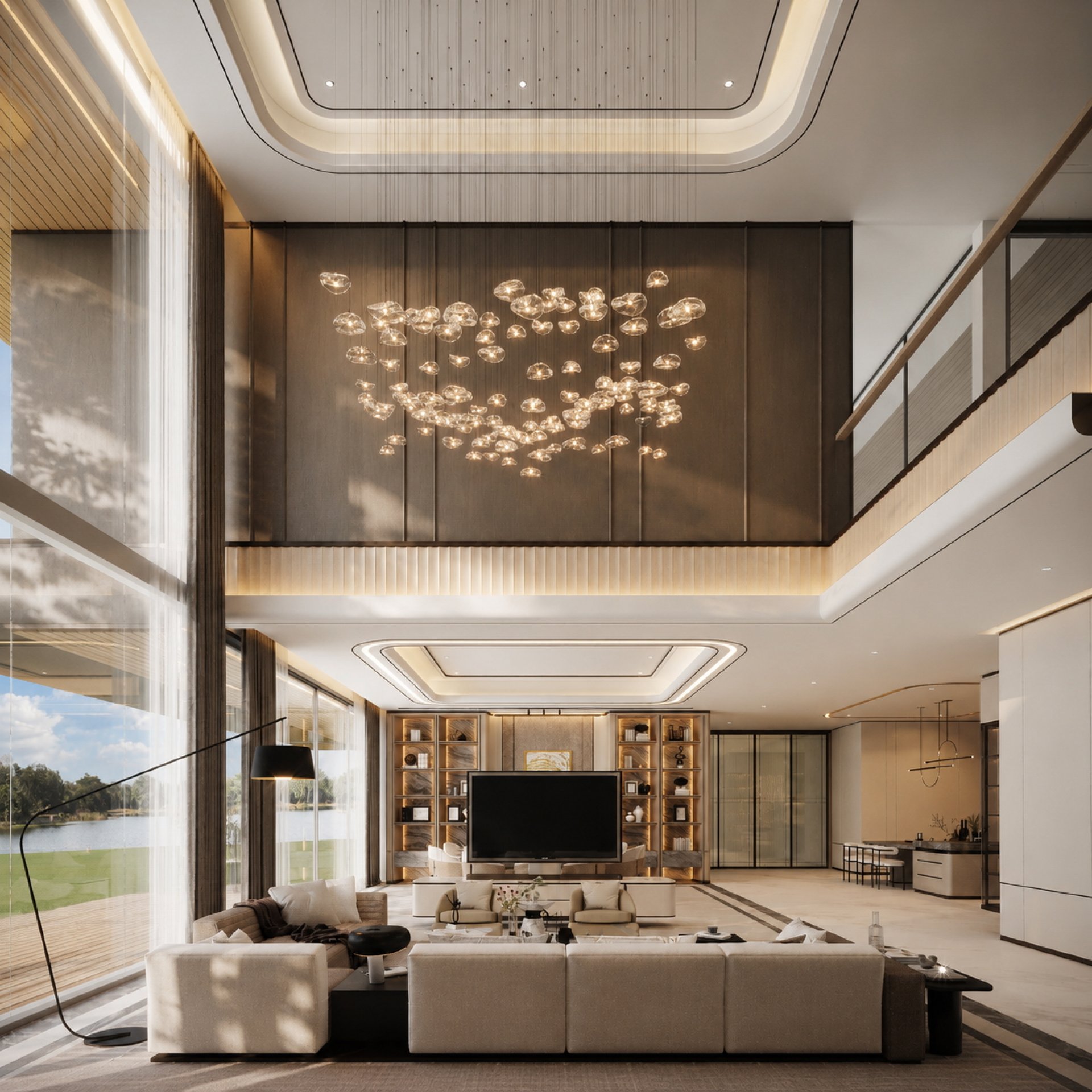
Modern: clarity, simplicity and proportion
Modern interiors often use straight lines, legible forms, continuous surfaces and neatly integrated details. Simplicity does not mean empty rooms or an all-white palette. It means removing unnecessary elements and using proportion, light, materials and built-in work to create character.
This suits people who prefer a calm overall setting, organised storage and uncomplicated furniture forms. Simple spaces also reveal imperfect joints and installation, making precise detailing important.
Example: Grand Bangkok Boulevard 49, a 590 sq.m. project with a modern approach and both 3D visuals and completed-work photographs.
Contemporary: responsive to the present and the setting
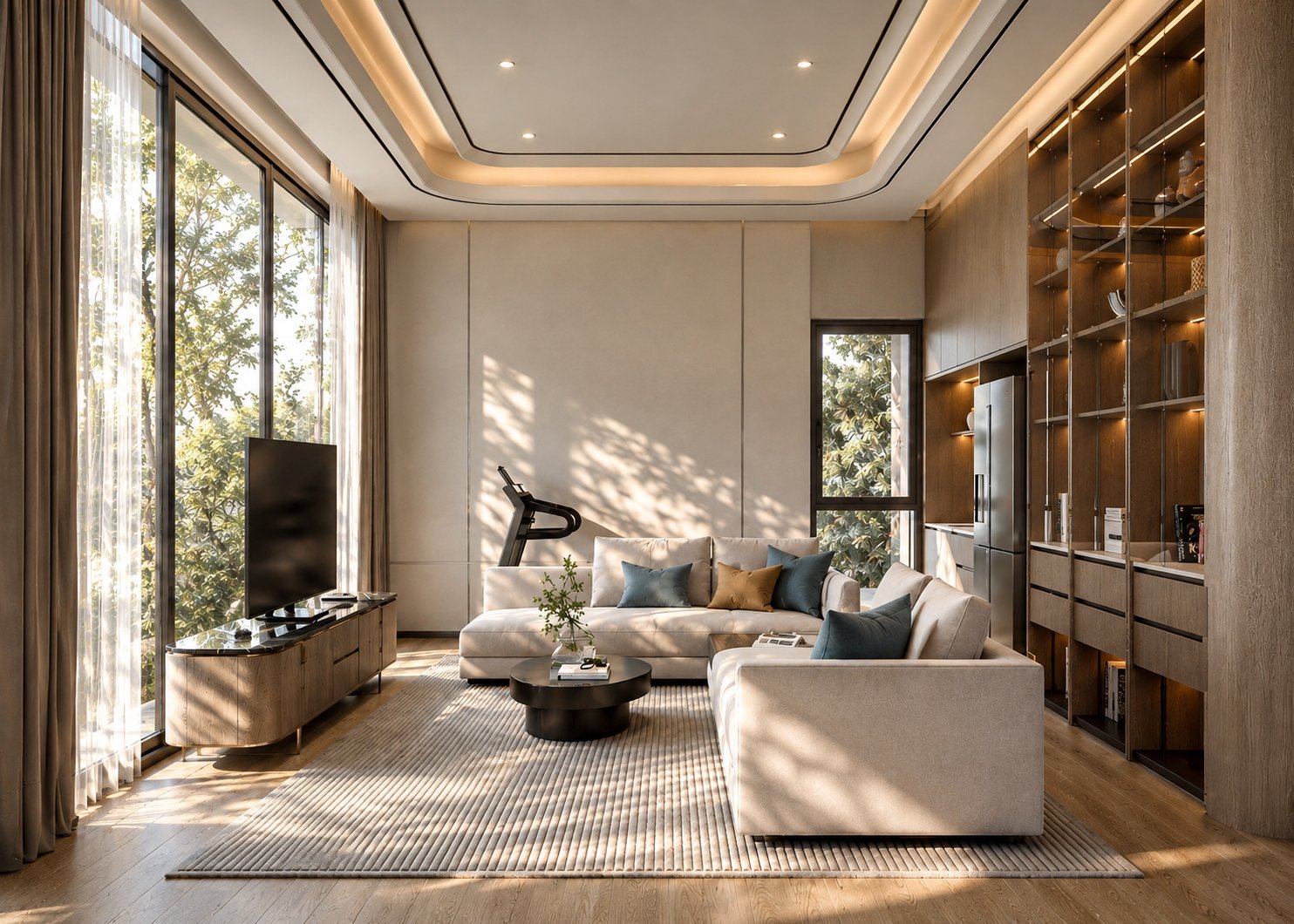
Contemporary is not one fixed formula. It draws on elements that suit the current context, combining timber, stone, metal, textiles, art or furniture from different periods when proportions and the overall palette work together.
It suits owners who want more warmth or flexibility than a strict modern approach and a home that can accommodate collections and personal preferences.
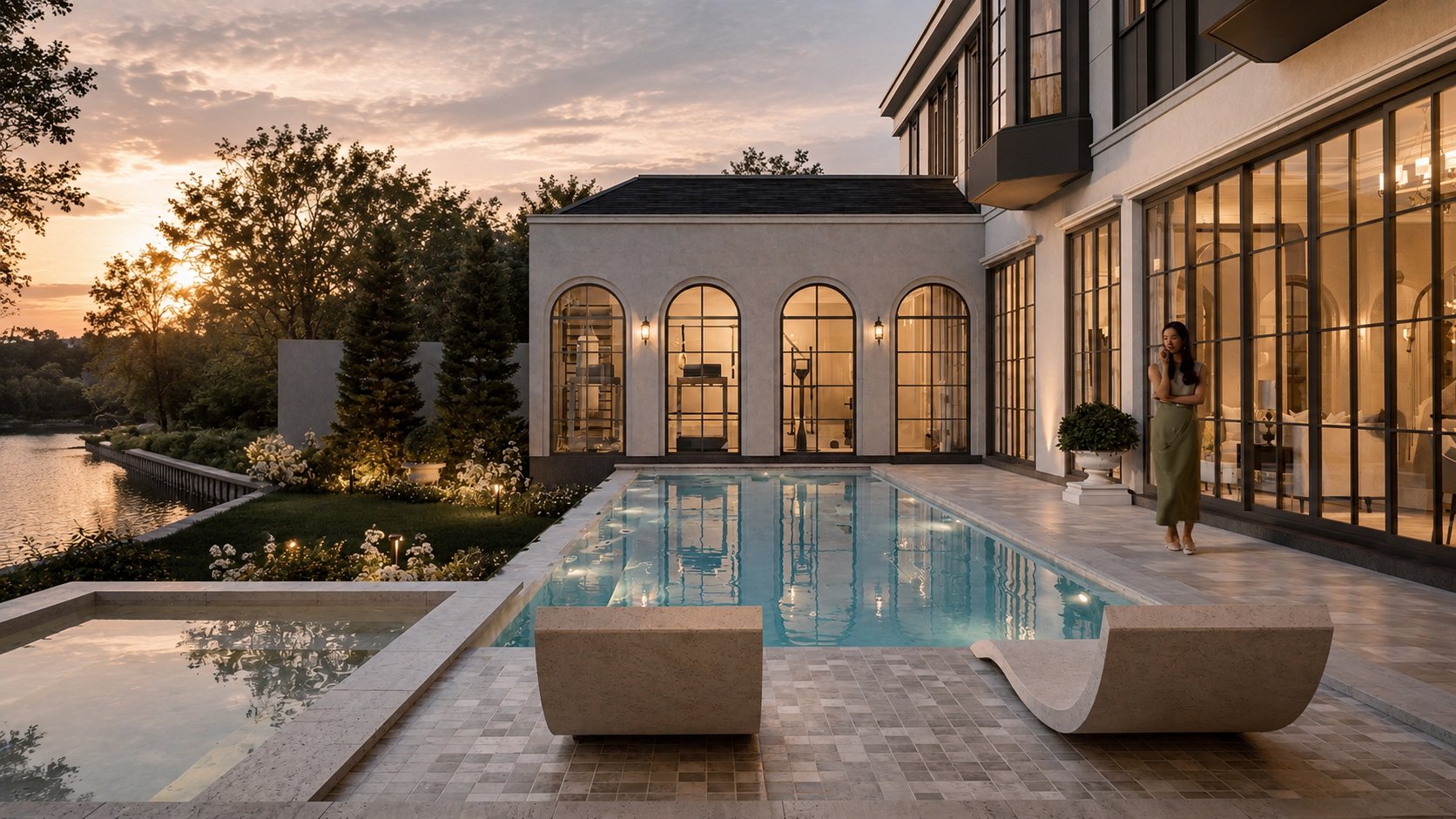
Example: The Lake House, a multi-generational home of approximately 1,500 sq.m., uses a contemporary approach to connect different spaces and functions.
Classic: proportion, symmetry and detail
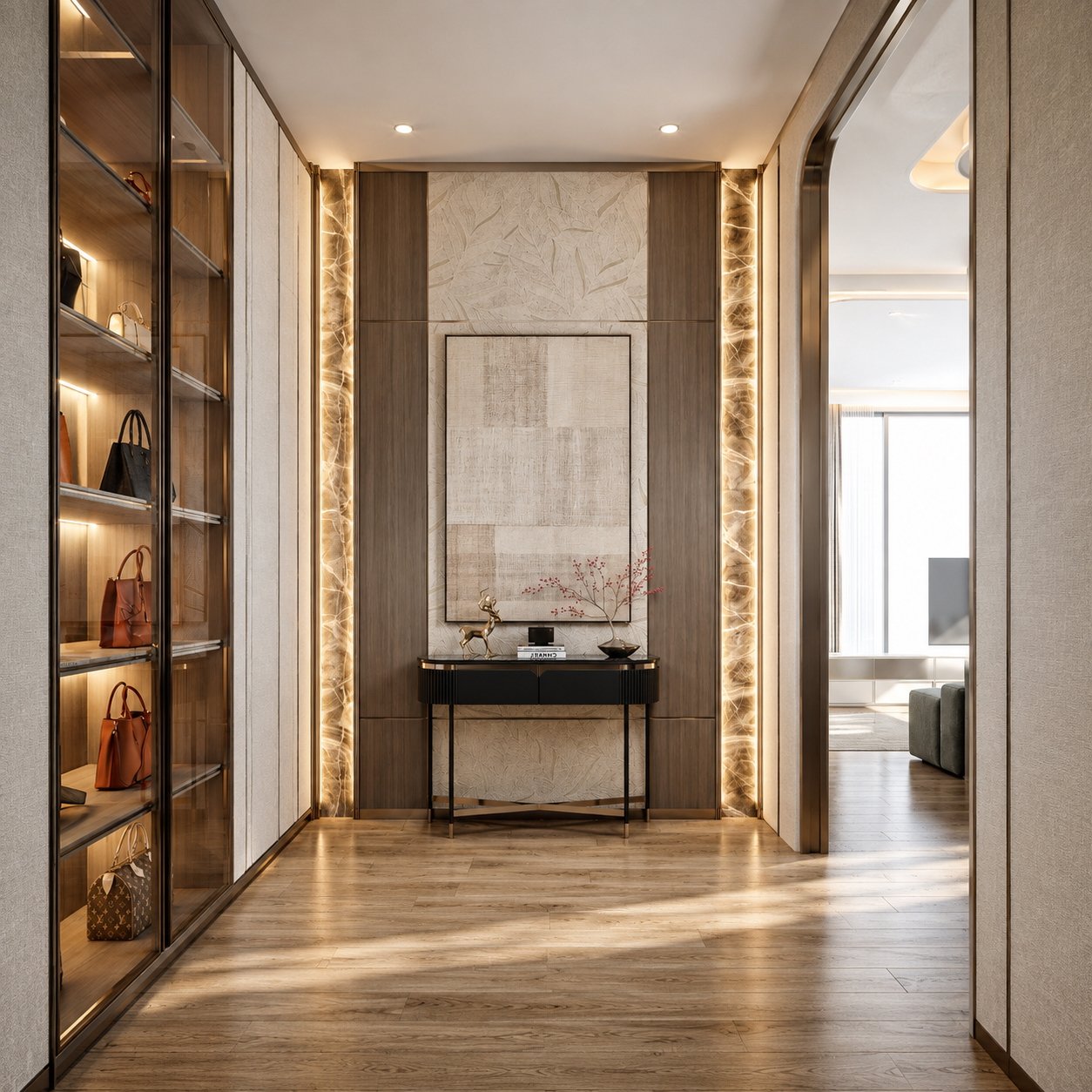
Classic interiors often emphasise axes, symmetry, mouldings, frames and wall proportions. Materials and furniture contribute visual weight and elegance. A considered classic interior does not need detail on every surface; it needs a clear hierarchy, focal points and areas where the eye can rest.
This suits architecture and owners drawn to formality, detailed craftsmanship and a classic atmosphere. Consider the maintenance of grooves, mouldings, finishes and bespoke elements as well.
Modern Classic: a deliberate blend
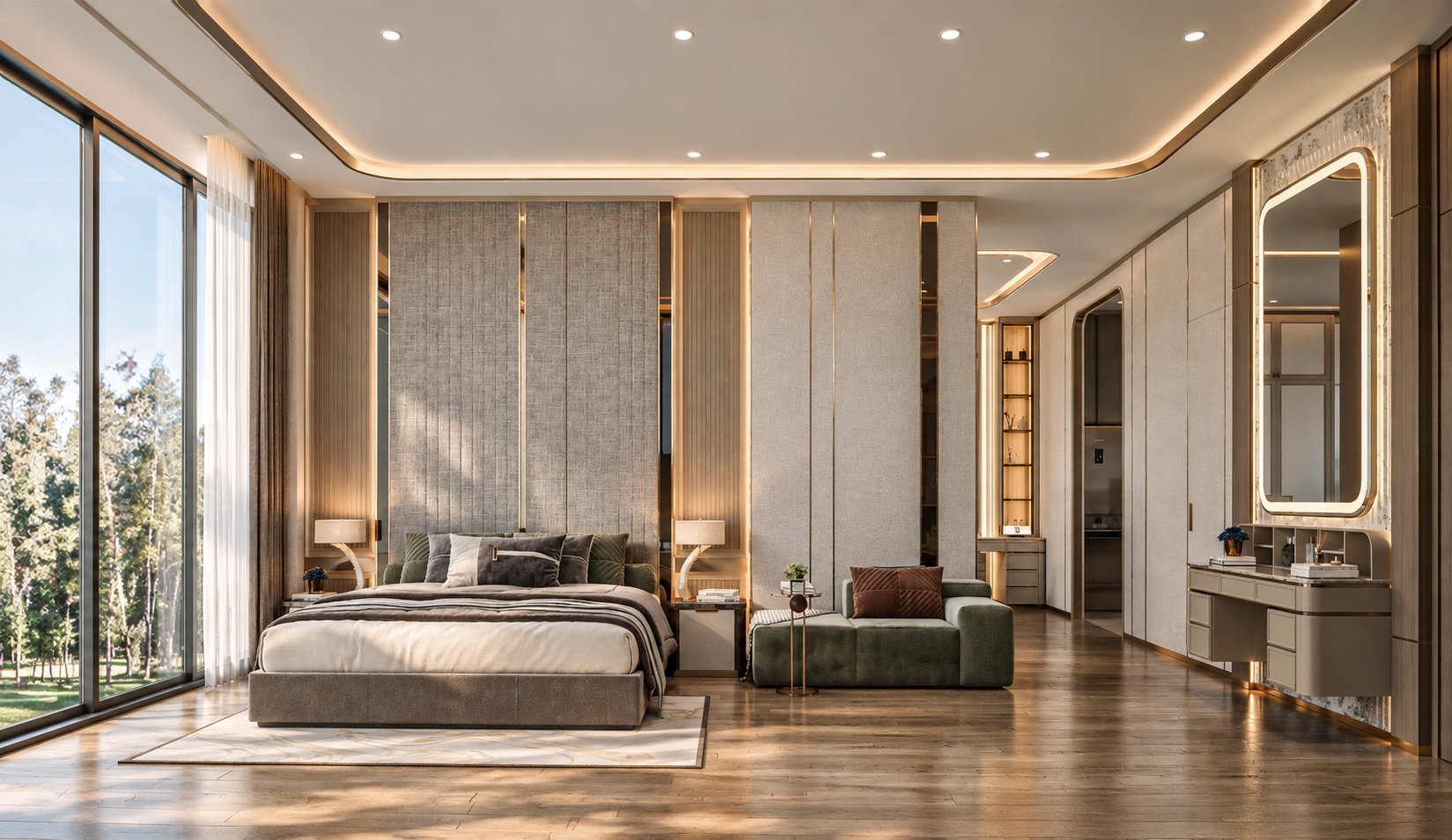
Modern Classic reduces the density of classic detailing and gives lines, proportions, colours and furniture a more contemporary character. It is more than adding mouldings to a modern room without a shared design idea.
Example: 3H Storey, approximately 1,400 sq.m., takes a modern classic approach, while The Palazzo, a 700 sq.m. project, uses modern neo-classic design and includes comparisons between 3D visuals and completed work.
Comparison at a glance
| Topic | Modern | Contemporary | Classic/Modern Classic |
|---|---|---|---|
| Lines | Clean and simple | Flexible, with mixed influences | Proportion, frames and rhythm |
| Materials | Controlled palette and joints | Broad range of textures | Materials and craftsmanship create visual weight |
| Atmosphere | Calm and organised | Current and personal | Elegant and more formal |
| Potential pitfall | Simple surfaces reveal inaccuracies | Too many influences can lose cohesion | Dense details can increase maintenance |
| A lasting approach | Focus on proportion and material quality | Use a consistent core palette | Simplify secondary details |
Choose a style around real life
Before creating a mood board, answer these questions:
- Who uses the space, and what do they do every day?
- How much storage do you need, and what would you like to display?
- Do you prefer smooth surfaces or materials with pattern and texture?
- What level of maintenance are you comfortable with?
- What are the existing architecture, light and proportions like?
- Which existing items or furniture must remain?
- What do your reference images share beyond a style label?
Clear answers let a designer develop a language specific to your home, without attaching a style label to every object.
How to avoid a home dating quickly
- Make proportion and a functional layout the foundation
- Invest in key materials you see and touch often
- Use trend-led colours or objects where they are easy to change
- Let storage and lighting respond to everyday life
- Adapt references to your setting instead of copying an entire room
Explore residential interior projects and our interior design services for more context.
FAQ
Are Contemporary and Modern the same?
Not entirely. Modern has a more defined vocabulary of forms and principles. Contemporary is more flexible in responding to the present context and combining influences.
Does a classic home need white and gold?
No. Classic character comes more from proportion, rhythm and detail than a colour formula. Timber, stone and other palettes can work when the overall composition is coherent.
Can several styles be combined in one home?
Yes, with a shared foundation such as colour, core materials, lines or proportion, and a clear hierarchy between spaces. Avoid combining individual reference items without an overall system.
Can I choose a style before planning the layout?
A style can provide an initial direction, but the layout should first meet functional needs. Develop the materials and details around that foundation.
Find the Right Design Direction
If you like several references but cannot yet find a shared direction, send your floor plan, reference images and lifestyle information through our Contact page. Penthouse Design Group can help distinguish what you genuinely like from a style label, then develop an approach suited to your space.
Prepared by Penthouse Design Group — Interior design and construction team